
Finding Balance: How to Make Working Out Fit Into a Busy Schedule
When life feels full, taking care of your body often becomes the first thing to fall away. Between work, family, and daily responsibilities, finding time to move can feel unrealistic. Still, consistent movement—even in small amounts—can make a meaningful difference in how you feel physically and mentally.
Working out doesn’t need to be intense, long, or perfectly planned to be effective. When approached with flexibility and intention, it can fit into even the busiest days—supporting energy, mobility, and overall well-being.
Start Small and Keep It Manageable
It’s common to think that workouts need to be long or high-intensity to “count,” but that mindset often makes it harder to begin.
Short, approachable sessions can be just as valuable. Even 10–15 minutes of gentle movement or stretching can help reduce tension and improve circulation. Starting small lowers the barrier to entry and makes consistency more achievable.
Progress builds over time.
Create a Comfortable Space to Move
Having a simple, designated place to work out can make starting feel easier.
This might be a corner of your living room, a cleared space in your bedroom, or anywhere you can move comfortably. Keeping the area uncluttered and ready removes one more obstacle between you and movement.
You don’t need much space—just enough to show up.
Bring Awareness Into Everyday Movement
Working out isn’t the only way to support your body.
You can build awareness through small actions throughout the day—stretching during breaks, checking in with your posture, or pausing to take a few steady breaths. These moments help you stay connected to your body without adding extra time to your schedule.
Movement doesn’t have to be formal to be effective.
Set Realistic Expectations
Sustainable routines start with realistic goals.
Begin with what feels doable and allow your practice to evolve naturally. Consistency matters more than intensity, especially when you’re getting started. Listening to your body and adjusting as needed helps prevent burnout and frustration.
There’s no rush.
Move With Others When It Helps
Sharing movement with others can make it feel more approachable and enjoyable.
Whether it’s a friend, partner, or family member, moving together can provide encouragement and accountability. It can also help build confidence when you’re still finding your rhythm.
Support makes starting easier.
Use Short Movement Breaks to Reset
If your schedule is packed, brief movement breaks can be a helpful reset.
Standing up to stretch, rolling your shoulders, or doing light movements during the day can ease stiffness and support focus. These small pauses work with your schedule—not against it.
Movement That Fits Your Life
Making time to work out isn’t about adding pressure or expectations. It’s about creating small, supportive habits that help you feel better over time.
If you’re ready to begin with a gentle, approachable option, this is a supportive place to start.
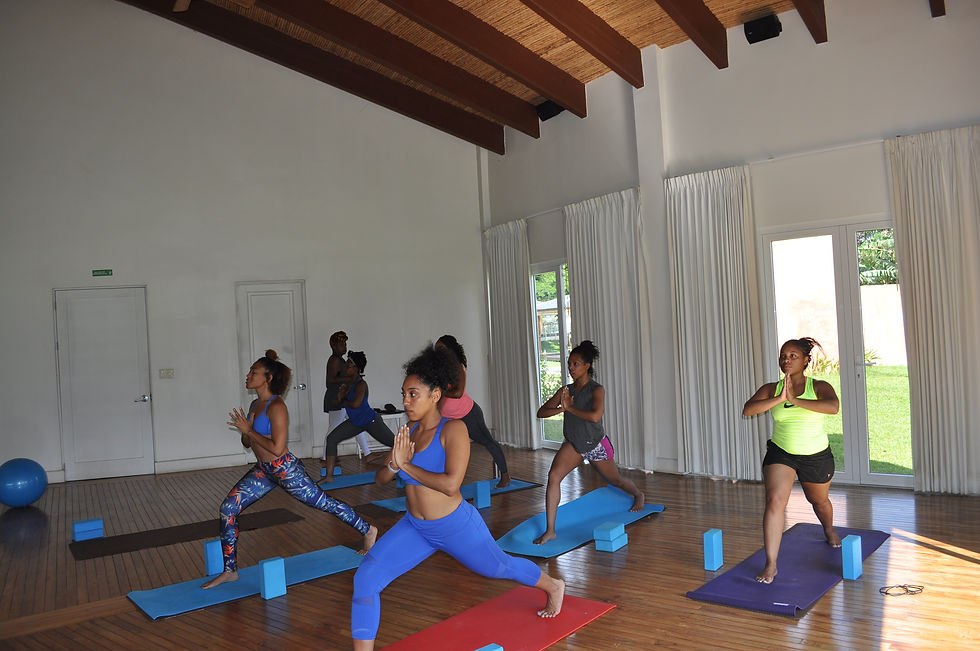
→ Try the 25-Minute Yoga for Beginners Class to move your body comfortably, build confidence, and create a foundation for consistent movement—at a pace that feels right for you. You don’t have to do everything. You just have to begin.


Comments